


May 22, 2010...21:31
National Home Front Training Exercise Turning Point 4 to Begin Tomorrow, 22 May 2010
The National Home Front exercise is to begin tomorrow, Sunday, May 23rd 2010. The IDF Home Front Command, the National Emergency Authority, search and rescue forces, local Israeli authorities, government offices, security organizations, the education system as well as public and private organizations will participate in the exercise.
The exercise is aimed at improving national preparedness and responses of the home front to emergencies. The exercise will improve cooperation between the various organizations and institutions and prepare them for different scenarios.
The exercise, taking place for the fourth consecutive year, was scheduled and planned in advance as a part of the IDF’s 2010 training plan. This exercise is an additional measure taken by Israel to prepare the public and the local authorities for emergency periods.
A 1.5-minute-long siren will be heard throughout the country on Wednesday, May 26th 2010 at 11:00 AM. In addition, on Tuesday through Thursday, June 25th- 27th, 2010 field training exercises will take place simulating different scenarios during which additional sirens will be heard.
The education system will also take part in the exercise, during which the students and teachers will simulate entering the designated secured areas.
This year the exercise will focus on the preparedness of the local authorities during emergencies. The exercise will replicate emergency scenarios in more than 30 local authorities throughout Israel in cooperation with the Home-Front Command.
The IDF Spokesperson and the IDF Home Front Command ask that the Israeli public take part in the exercise and be aware of the instructions given by the Home Front Command which have proven to be effective and life-saving.
Following the siren, the public will practice entering the designated secured area and stay there for approximately ten minutes. In cases where entering the designated secured area is not possible, the public is asked to methodically carry out the necessary actions that are to be taken during an emergency and practice them as soon as possible.
The exercise will also examine warning systems on cellular phones and civilians in certain areas may therefore receive text messages that read “Have a nice day” signed by the IDF Home Front Command.
In addition, the IDF Home Front Command will practice distributing protective kits to the public during emergency periods. The distribution points will be opened for one day on May 26th in several locations; Safed, Yokneam, Tira, Tzur Hadassah, Rishon LeZion, Petah Tikva, Holon and the Reading Power Station in Tel Aviv. Residents of these cities will receive invitations via post.
During the exercise, all essential services, including hospitals, public transportation, conventions and public events will continue to work as usual.
- If you fail to hear the siren, please contact and inform the Home Front Command Information Center at #1207.
- For information related to public and private shelters please contact municipal information centers.
- For further information contact Home Front Command Information Center at #1207 or the internet website at WWW.OREF.ORG.IL
Alex News

May 22, 2010
Turning Point 4


Hezbollah's 'tourist complex'

"Hizbullah in 2010 is very different to Hizbullah in 2006 in terms of military capability, which has advanced a great deal," Brig. Gen. Yossi Baidatz, a senior Israeli military intelligence officer, said. "Hizbullah is now regarded by the Syrians as a component of their defense establishment." On May 4, Baidatz, head of military intelligence's research department, told the Knesset Foreign Affairs and Defense Committee that Hizbullah was acquiring advanced missiles and rockets through Syria. The brigadier said the Iran was sponsoring the weapons shipments to Hizbullah bases in Lebanon.
"Syria plays a significant role in the growing strength of Hizbullah's rocket arsenal," Baidatz said. "Weapons are sent to Hizbullah from Syria on a regular basis under the direction of the Syrian and Iranian regimes."
Baidatz said Hizbullah has also received an extended-range version of the Scud-class missile. The officer did not identify the missile, although Western intelligence sources said this was the Scud C, with a range of 550 kilometers.
"The shipments of long-range missiles which have been reported recently are only the tip of the iceberg," Baidatz said. "The long ranges of the missiles in the hands of Hizbullah enable them to place their launchers deep inside of Lebanon, and they cover ranges that are much longer than what we have seen in the past."
Hizbullah has also received the Syrian-origin variant of Fateh-110. Officials identified this as the M-600 rocket, with an extended range of 300 kilometers.


Saad Hariri says Israeli decision to launch week of military exercises 'runs counter to peace efforts... How can you launch peace negotiations with Palestinians while holding military maneuvers?' AFP
Published: 05.22.10, 15:33 / Israel News
Lebanese Prime Minister Saad Hariri on Saturday lashed out at Israel's defense exercises and said they ran counter to current Middle East peace efforts.
"Israel has to go to the negotiating table in order to achieve peace. To launch military exercises at such a time runs counter to peace efforts," Hariri told reporters in Cairo after a meeting with Egypt's President Hosni Mubarak.
"How can you launch peace negotiations with the Palestinians while holding military maneuvers?" asked Hariri, who is to travel to Washington on Sunday for his first visit as premier.
Israel's annual week-long civil defense exercises, which start on Sunday, are designed to prepare emergency responses to rocket strikes on Israel.
Israeli Deputy Defense Minister Matan Vilnai has stressed that the exercises were planned long in advance and had no bearing on the Jewish state's present relations with its northern neighbors, Lebanon and Syria.
As in previous years, Israel has made contact through intermediaries with its neighbors, notably Syria, to reassure them of its non-belligerent intentions, he said.
| |
But on Friday, Lebanon's Hezbollah mobilized thousands of militants in southern Lebanon in response to the exercises, said an official from the Shiite group which is backed by Damascus and Tehran.
Israel and Hezbollah fought a month-long war in 2006 that destroyed much of southern Lebanon, largely a Hezbollah stronghold. It estimates Hezbollah has since stockpiled more than 40,000 rockets.
And last month, Israeli President Shimon Peres accused Syria of providing Scud missiles to Hezbollah, charges that Damascus has denied.
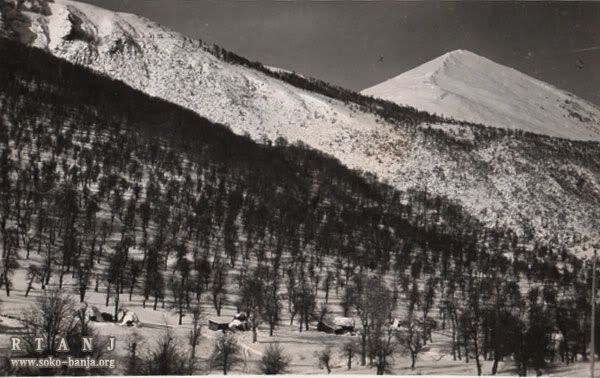
Sećanja na prošlost Rtnja
Sećanja na prošlost Rtnja
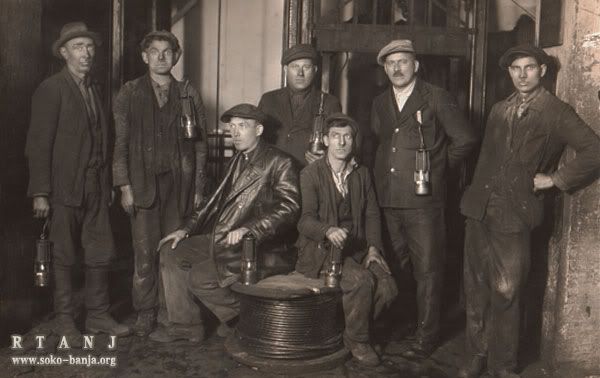
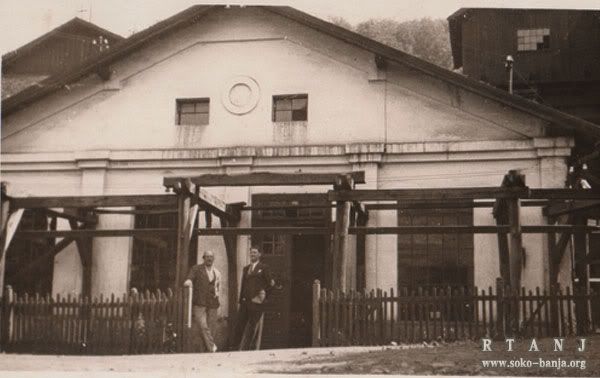
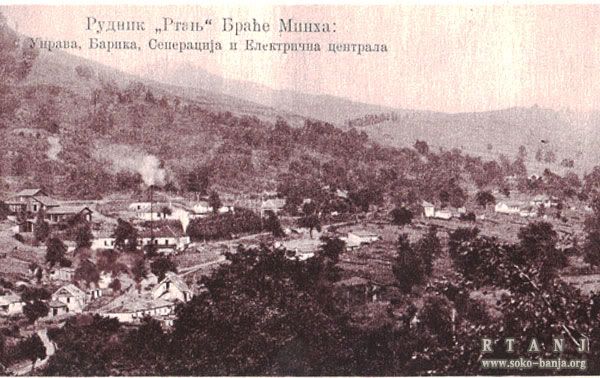
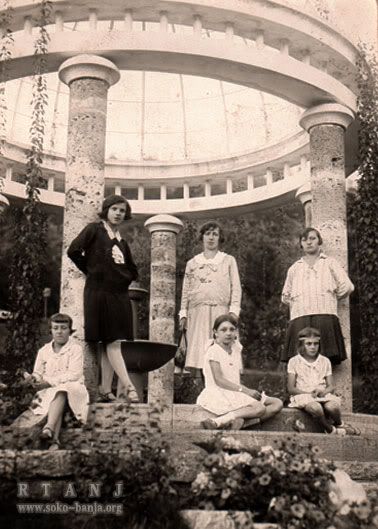
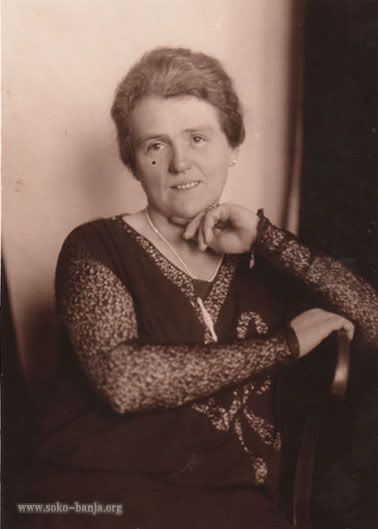
Bili su poznati po darežljivosti jer su iskreno brinuli o svojim radnicima. Svake godine za Božic gđa Greta je delila poklone u odeći i hrani deci, a tokom godine ako bi čula da je neki rudar popio platu a deca bila gola i gladna ona nije propustila priliku da im pomogne.


Slučajno sam pomenula njeno ime posle mnogo godina u razgovoru sa starim komšijom u Paraćinu i on je sa velikim oduševljenjem ispričao kako je ta gospođa Greta dolazila sa kantama mleka i drugom hranom na stanicu u tadašnju paraćinsku bolnicu gde su ležali ranjenici iz Prvog svetskog rata!!! Gospodin Minh kao i mnogi milioneri toga vremena nije mogao da zamisli da će njegovo bogatstvo propasti u svetskoj finansijskoj krizi 1928-1932. godine te je izvršio samoubistvo.


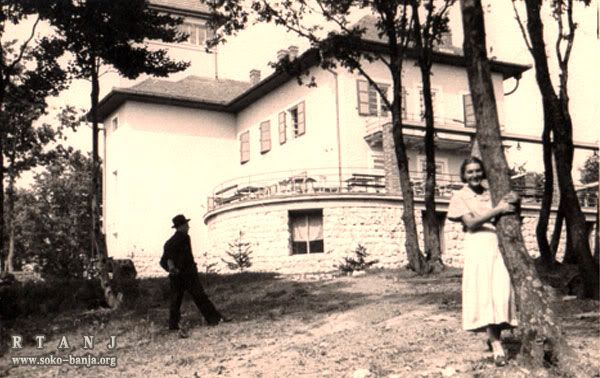
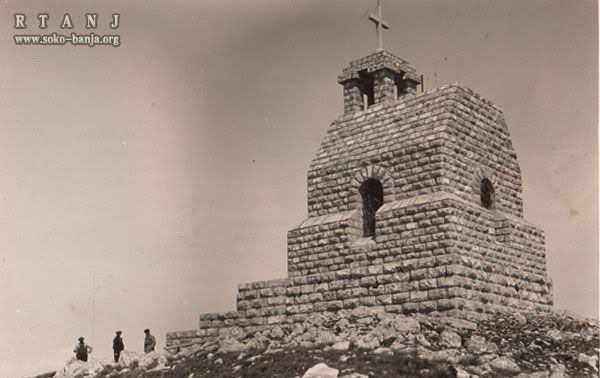
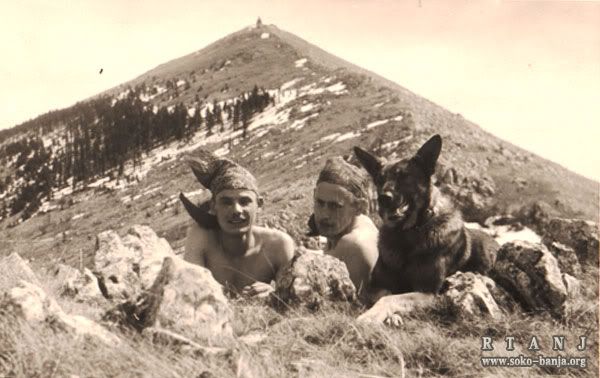
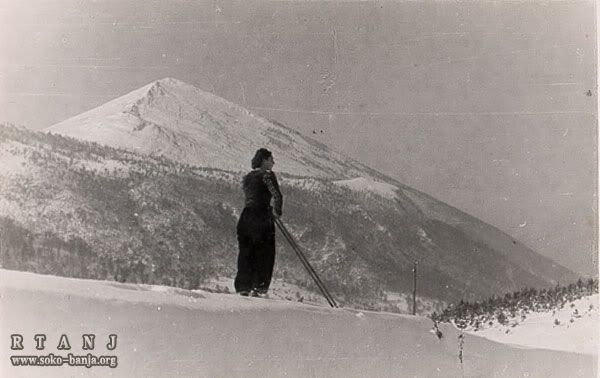
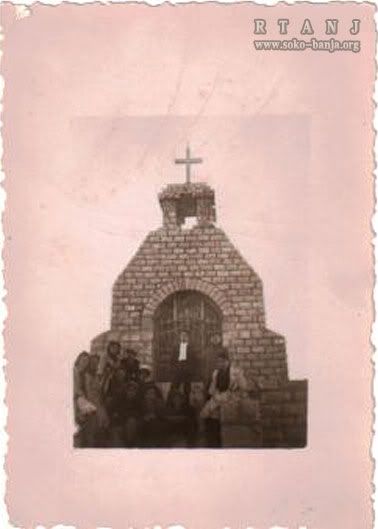
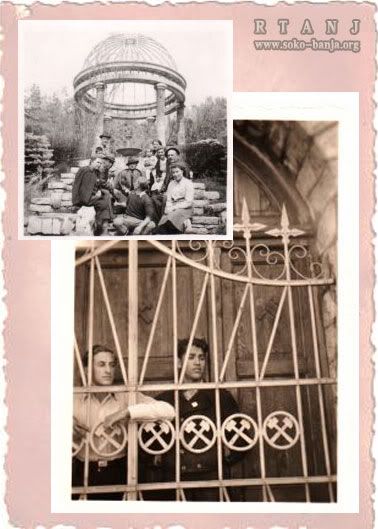
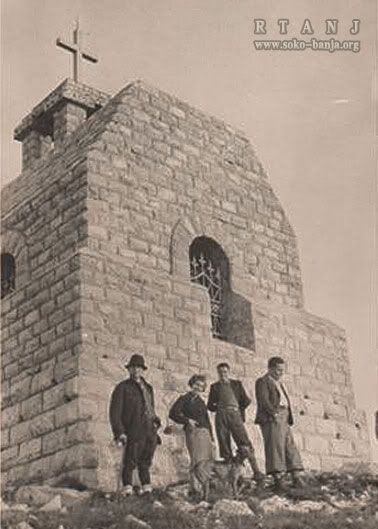
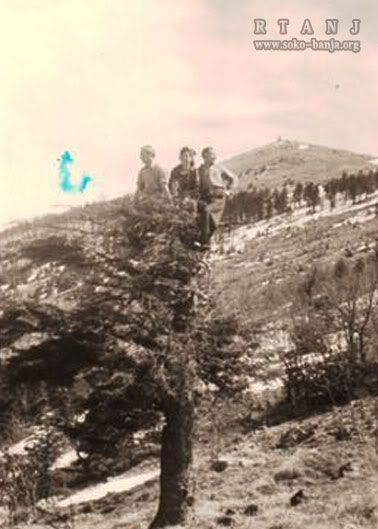
 Njegova supruga koja je volela Srbiju kao svoju otadžbinu nije nikada napustila zemlju do svoje smrti. Podigla je svome suprugu kapelu na vrhu planine Rtanj od klesanog kamena u kojoj je iza drvenih i od kovanog gvoždja kapiji gorelo kandilo godinama. Seljaci su iz obližnjih sela, tražeći zlato, minirali su kapelu i razneli lepo klesani kamen za svoje građevinske potrebe.
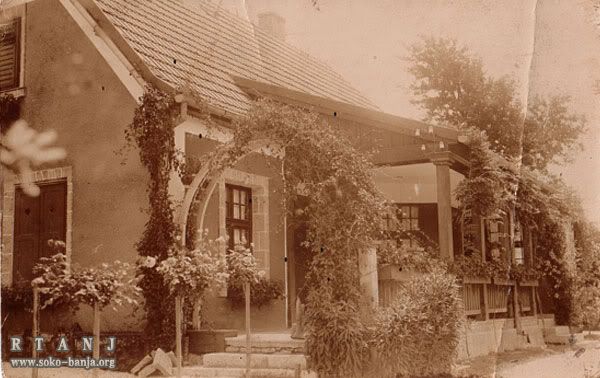
Gdja Greta je posle Drugog sv.rata nastavila da živi u selu Ilinu. Moja pokojna majka Edita.Radovanovic-Cander (devojacko Zdouc), pošto je bila omiljeno dete izmedju ostalih gđi Greti i na njen zahtev posecivala je staricu. Tako sam je i ja u svojoj 12-toj godini 1952.godine upoznala (mada me je znala i kao malo dete) u seoskoj kuci u Ilinu. Sećam se da je imala samo jednu veliku sobu ispod koša i nešto od svojih stvari prenetih iz vile na Rtnju. Voda i klozet su bili u dvoristu!!! Bio je vrlo tužan prizor videti bivšu austrisku aristokratkinju u takvom ambijentu.
Posle kratkog vremena čuli smo (a tada smo još živeli u Beočinu - fabrici cement-Srem) da je gdja Greta umrla. Pre svoje smrti (pošto nije imala dece) napisala je pismo - poruku rođacima u Izraelu. Ljudi koji su joj dali sobu i boravak u svom dvorištu nadali su se naći novac i zlato posle njene smrti, ali ništa od toga. Ona je ostavila metalnu kutiju sa novcem i zlatom u šupljem stablu u obližnjoj livadi. Kada su obavestili familiju o njenoj smrti rođak je došao sa dva milicionera iz Boljevca i uzeo iz šupljeg stabla (kako mu je ona objasnila u pismu, koje su ukućani predali na poštu ne znajuci sadržinu) i uzeo iz šupljeg stabla zaostavštinu a gdja Gretine posmrtne ostatke preneo u Izrael.
Da li je to bila njegova odluka ili njena nećemo nikada saznati.autor teksta i fotografija:
Ljiljana Stanikić, Australija




May 19, 2010
Your job... is to love me.
Singer tells women to give up work and focus on their man
These are the opening lines to a song that's proving worryingly popular in Beirut and Damascus. Naturally, it's also causing quite a stir with local women's rights supporters.
The song has enraged women's rights groups to such an extent that on 30 April a group of them met in the centre of Beirut to march in protest against "the stereotypical image of women" advocated by the lyrics. The following day in neighbouring Syria, an independent women's organisation called on the country's radio stations to boycott what they described "the promotion of poor taste".
Soon enough, a Facebook group was created to counter-attack the movement and support the song. The song itself, sung by Lebanese popstar Mohamed Iskandar, is clearly profiting from the controversy. Released just over a month ago, it features in the top ten hits of several radio stations.




 ..Israeli Shekel Exchange
